




Spirit Chrysler Dodge Jeep Ram

Blog / NJ Wagoneer Dealership

The Wagoneer: A Legacy of Luxury and Unique Style

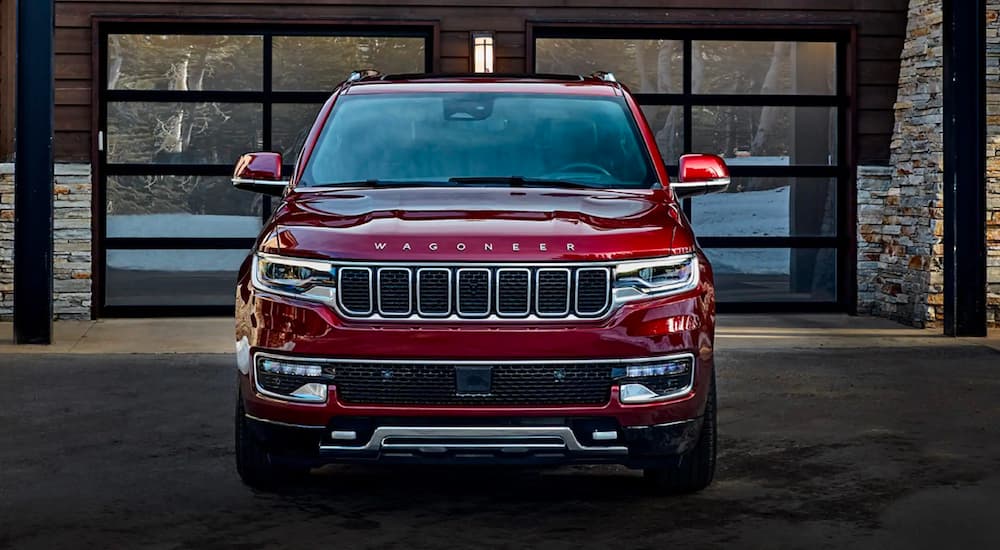
A red 2022 Wagoneer parked in a driveway.

While the Jeep brand originated in the 1940s, it was the 1960s that brought about significant innovation to the company. It was one Jeep designer who chose to focus on designing a vehicle for family travel that could go anywhere, just like the rest of the Jeep family. As Jeeps were being driven on the other side of the world for military duties, a new Jeep designed for comfort and outdoor excursions was being developed. Here, we will share the history of the original Wagoneer to encourage appreciation for the new Wagoneer models now available at your NJ Wagoneer dealership.

The First Decade

When the first Wagoneer was designed and produced, Jeep was owned by Kaiser Jeep Corporation. The Wagoneer’s first arrival on the automotive scene was in 1963, a product of the idea that Jeep wanted to build a family-oriented vehicle. Origins of the Wagoneer erupted out of the notion that a station wagon would be the direction Jeep would take to replace an old pre-war model; however, designer Brooks Stevens took the Wagoneer toward a loftier goal of luxurious sport utility. Thus, the Wagoneer was birthed amongst its more austere brethren of the day—a marked contrast of comfortable, fashionable, and car-like drivability that made it instantly successful.

For eight years, not even the Range Rover could compete with the uniquely-designed Wagoneer, which featured amenities like power steering and brakes, a radio, and optional air conditioning. The independent front suspension contributed to less truck-like ride quality, yet it still had the chops to tow and haul like a truck, a first for four-wheel drive vehicles at the time. With the incredible response to the Wagoneer’s sales, Kaiser developed the Super Wagoneer in 1966. This Jeep took the Wagoneer to an even grander height of luxury, with features like a push-button radio, standard air conditioning, a powered tailgate, and an automatic transmission.
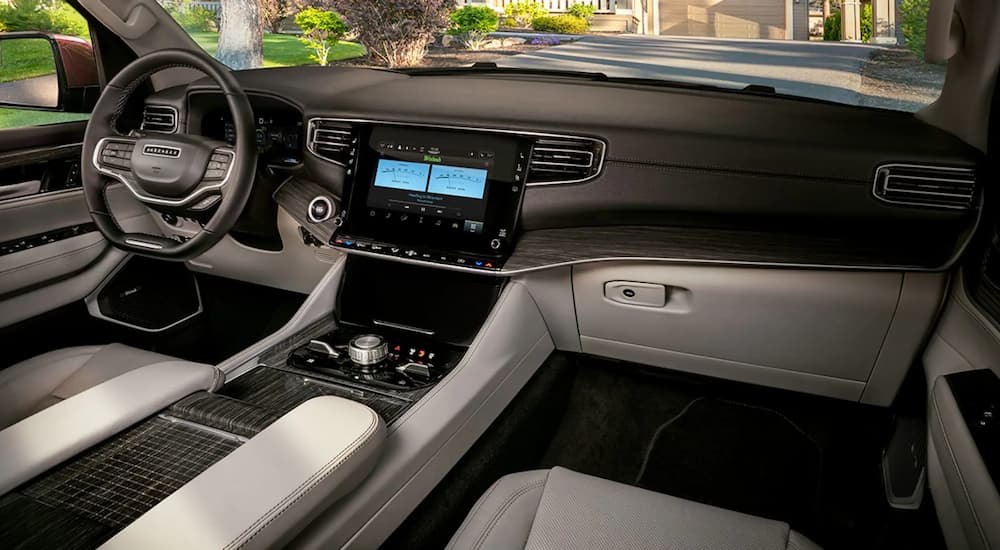
The black and grey interior of a 2022 Wagoneer, seen from the passenger's seat.

AMC Ownership

The Super Wagoneer was produced for three model years until American Motors Corporation (AMC) bought out Kaiser in 1970. Changes were made in the lineup, and the former Super Wagoneer was placed on the back burner until it became the Limited trim in 1978. With a higher asking price justified by even more cutting-edge conveniences like powered seats, leather upholstery, and carpeting on the floors, it was at this point that the Wagoneer began to sport its now iconic wood-paneled siding. It also continued to refine the truck chassis to reduce noise in the cabin and further smooth the ride to make it a plush outdoor adventure vehicle for upscale travel.

In the midst of all the changes to the Jeep lineup, AMC developed the Quadra-Trac 4x4 system, which allowed for full-time four-wheel drive capability without having to deal with a transfer case. AMC tested out the Quadra-Trac system on other Jeep models like the Cherokee and Jeepster through the 70s, and then added it to the Wagoneer Limited when it was introduced. For all the years of its production, the Wagoneer held fast to its rather classic design, and then in 1979 AMC made a bold move to change the front end with one-piece bumpers and a new plastic grille. This front fascia became the face of the Wagoneer for several years until it was updated in 1985.

Eventually, AMC decided to take the Limited into fresh territory in response to the exceptional sales from the continued additions of modern conveniences. 1984 ushered in the Grand Wagoneer nameplate with a number of scrambled body styles within the Wagoneer and Cherokee designs, a confusing mixture of an attempt to update the old SJ body of the traditional Wagoneer to start offering it on the more compact XJ platform. AMC even introduced a Wagoneer Custom trim on the XJ as a less expensive option in 1984, sans the woodgrain siding and with part-time four-wheel drive, but it was dropped after one year due to low sales. After the numerous shifts within the Wagoneer lineup proved unsuccessful, the SJ platform remained the standard until it ended production.

Chrysler Takes the Cake

One final update of the Wagoneer took place under AMC in 1986 with little change to the exterior; most of the changes were interior updates to the climate controls, instrument cluster, and headrests to bring the design forward. When Chrysler bought AMC in 1987, it marked the Wagoneer’s 25th year of production. It continued to be a very profitable enterprise within the Jeep brand offerings, even as it aged on the old SJ platform, and some enthusiasts might argue the Wagoneer saw its best years from 1988 to 1991. Though few changes were made to the design, numerous upgrades were added to the SUV that increased its value and desirability.

One such implementation was Chrysler’s choice to utilize an electrocoat paint which was applied in two stages, making the Wagoneer less prone to rusting. Updates to the air conditioning and wipers were welcome changes to improve their quality, and then a new overhead console made space for sunglasses storage and housed a new keyless entry system. Throughout its final years of production, Chrysler left the Wagoneer to its familiar design, still loved by those who staunchly enjoyed its comforts for cruising on the highway despite its thirsty engine. By 1991, the Wagoneer’s final model year, it still rode on that same original platform designed by Brooks Stevens, but new federal regulations would have been too costly to reconfigure the design to comply with the law.
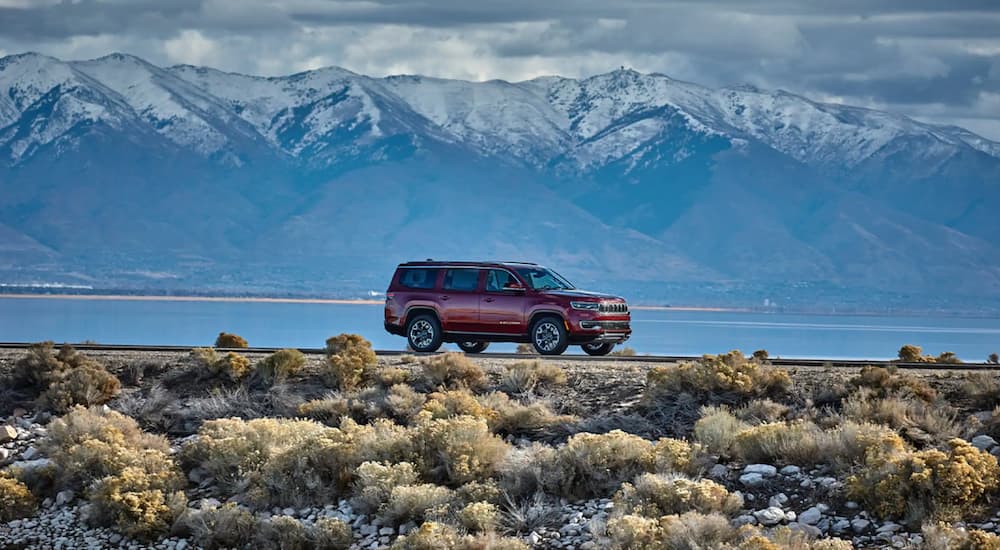
A red 2022 Wagoneer driving on an open road with large snow-capped mountains in the background.

End of an Era?

After the end of Wagoneer production, Jeep revived its old nameplate for one more year. The longest-running nameplate for a single platform was restored within the Grand Cherokee lineup as the uppermost trim level in 1993. In keeping with the Grand Wagoneer tradition, the woodgrain siding made it immediately recognizable and focused on top-tier features. Chrysler only offered this as a one-year special edition before retiring the nameplate for good. Or so it seemed. Almost two decades later, Chrysler CEO Sergio Marchionne announced in 2011 that the Grand Wagoneer was to be reborn as a seven-passenger SUV for 2013, but the year came and went without a new design reveal.

In 2014, Chrysler said the Grand Wagoneer was slated for production beginning in 2018, but it took until 2020 for the new Grand Wagoneer to be revealed as a concept before its production in the 2021 model year restoring both the Wagoneer and Grand Wagoneer nameplates at the same time. Instead of the announced seven-passenger SUV, Jeep built the interior to hold up to eight people, with the option to upgrade to second-row captain’s chairs which could be heated, ventilated, and reclined. As with past years, the new models upheld the luxe standards of the original Wagoneer with the utmost attention given to modern features of convenience and comfort.

Revived for a New Generation

2022 Wagoneer and Grand Wagoneer models are bringing back some of the aspects of the original SUV, particularly in terms of ride quality and luxury. The body shape honors the former SJ platform styling, with nods to the original greenhouse windows for wide-open views, the somewhat blocky exterior, and the lines in the hood. For the most part, however, the original Wagoneer served simply as an inspiration for a whole new generation of luxury that fits more closely into the branding Jeep now embraces. While the past Wagoneer models have been retired, there are still those few that were well-maintained and are still being driven.

On occasion, a classic Wagoneer can be seen in movies, its unmistakable grille tilted forward and its wooden siding standing out from a crowd. Past models have been rebuilt with new engines or have replaced the brakes, ignition, or the muffler to keep the still-sturdy body on the road. Though the new generation offers up the modern lifestyle conveniences of better fuel efficiency, more ergonomic seats, and smartphone connectivity, the Wagoneer's roots run deep in the Jeep community. Those who still own an original Wagoneer hold fast to nostalgia for the old days when a design was so good it could last for almost three decades.
Posted in:

Recommended Posts

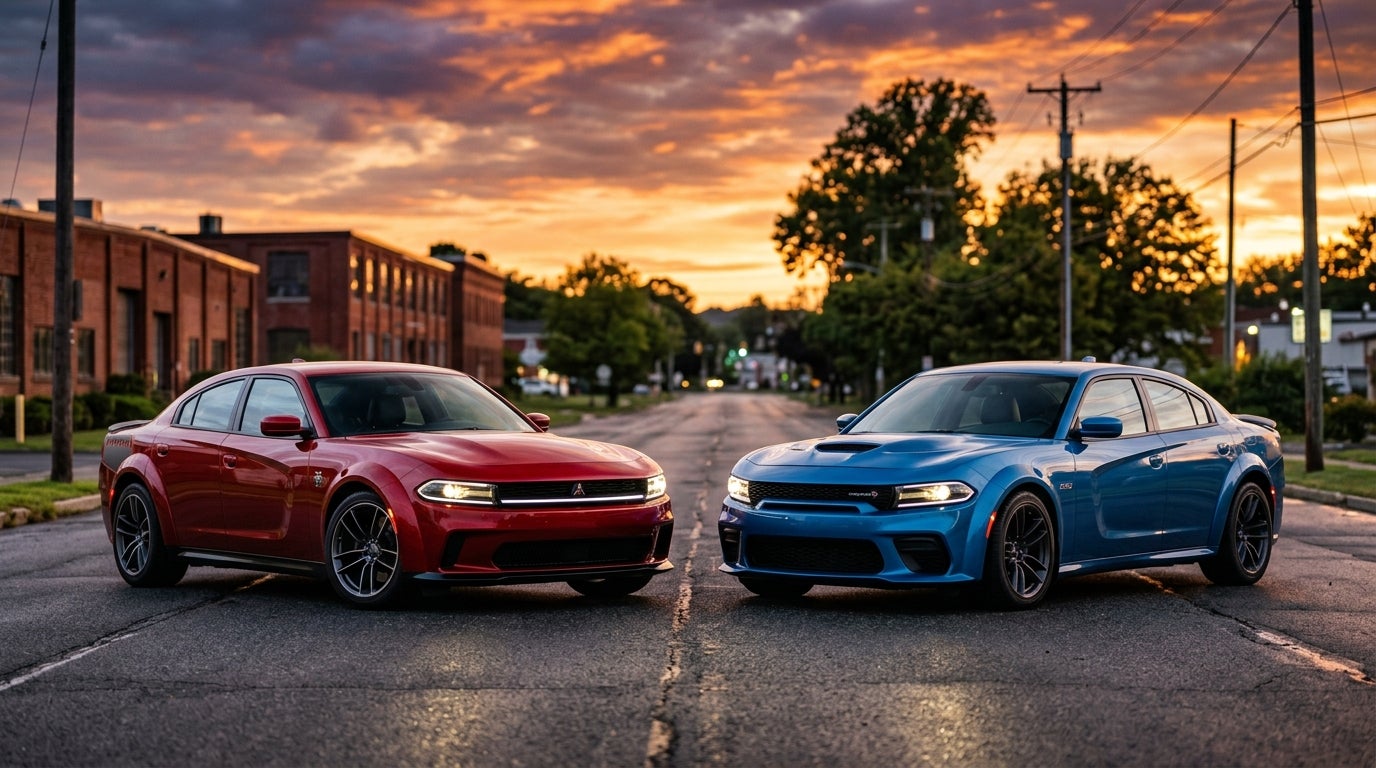
AI generated: Wide-angle cinematic shot, two 2026 Dodge Chargers parked side-by-side on a wide asphalt road in a suburban American landscape, low-angle perspective emphasizing their powerful stances, one electric Daytona model with a sleek modern finish and one internal combustion Sixpack model with aggressive hood vents, dramatic sunset lighting, golden hour glow catching the muscular body lines and wide fender flares, deep shadows under the chassis, a vibrant orange and purple sky, blurred industrial brick buildings and lush trees of the American Northeast in the background, shimmering reflections on the polished metallic paint, high-contrast aesthetic, hyper-realistic photography, 8k resolution, capturing the transition from traditional gasoline power to advanced electric performance, a sense of raw American muscle heritage and futuristic evolution.

The 2026 Dodge Charger: A New Era of American Muscle

The 2026 Dodge Charger: A New Era of American Muscle For over three decades, I’ve stood on the front lines of the American muscle car movement right here in Swedesboro. I’ve seen platforms come and go, but nothing—and I mean nothing—compares to the seismic shift we are witnessing with the 2026 Dodge Charger. This isn't just a refresh or a mid-cycle update; it is a fundamental reimagining of what a performance vehicle can be in the modern age. We are standing at a crossroads where tradition meets technology, and Dodge has decided to tackle both head-on. The 2026 lineup introduces a dual-threat strategy that is bold, controversial, and undeniably Dodge. On one side, we have the Daytona—a high-voltage EV powerhouse that proves electrons can indeed burn rubber. On the other, the Sixpack models powered by the Twin Turbo Hurricane engine, proving that internal combustion still has a very loud, very fast seat at the table. In my 35 years as Dealer Principal at Spirit Chrysler Dodge Jeep Ram, I have never been more excited to guide our enthusiasts through such a pivotal transformation. This is about more than just a car; it's about the survival and evolution of the muscle car soul. Meet Ron Baus: 35 Years of Muscle and Momentum My name is Ron Baus, and I’ve spent the better part of my life around Mopar performance. Since I started at Spirit CDJR, I’ve seen the legendary HEMI V8 define an era, and I’ve personally handed over the keys to thousands of Chargers and Challengers to drivers who crave that specific American roar. My perspective isn't just from a spec sheet; it's from the driver's seat and the dealership floor. I remember the return of the Charger in 2006, and I remember the horsepower wars that followed. I’ve lived the evolution of the Scat Pack and the Hellcat. When I talk about the 2026 Charger, I’m looking at it through the lens of someone who knows what our South Jersey customers expect: durability, presence, and a car that makes you look back every time you park it. My goal is to bridge the gap between the heritage we love and the future we’re driving into. Feel free to Call us at (856) 467-2200 if you want to talk shop about the future of Dodge. Evolution or Revolution? My Take on the New Platform The outgoing LD platform served us well for nearly two decades, but it was time for a change. The 2026 Charger sits on the all-new STLA Large platform, and this is where the engineering magic happens. Unlike the old days where a platform was built for one specific engine type, STLA Large is a 'multi-energy' masterpiece. It was designed from the ground up to accommodate massive battery packs for the Daytona EV without compromising the structural integrity or space required for the Sixpack's combustion engine. From my perspective, this architecture is a massive leap forward in rigidity. When you’re pushing 670 horsepower, the chassis needs to do more than just hold the parts together; it needs to respond with precision. This new platform allows for a lower center of gravity and better weight distribution, which has traditionally been the Achilles' heel of heavy muscle cars. It’s a sophisticated foundation that doesn't just support different powertrains—it elevates them. What really impresses me about the STLA Large implementation is the versatility. We’re seeing two-door and four-door variants that maintain a cohesive design language. For the traditionalists who aren't ready to go full electric, the fact that this modern, tech-forward chassis can still house a high-performance straight-six engine is a win for the consumer. At Spirit CDJR, we’ve been studying the technical readouts, and the suspension geometry improvements alone are worth the price of admission. We are moving away from the 'point and shoot' straight-line nature of the old Charger and toward a vehicle that can actually handle the curves of the Jersey backroads with confidence. It’s an evolution in every sense of the word, providing a more refined ride quality without losing the aggressive 'tough guy' stance that makes a Charger a Charger. The 'Sixpack' Reality: Why the Hurricane Engine is a Game Changer Let’s address the elephant in the room: the loss of the V8. I get it. The HEMI is an icon. But the 3.0L Twin Turbo Hurricane I-6 (the 'Sixpack') is not a consolation prize; it is a superior performance tool. With up to 550 horsepower in the High Output version, it outmuscles the old 6.4L 392 HEMI while delivering a torque curve that is flat and relentless. The beauty of the inline-six is its inherent balance. By utilizing two low-inertia turbochargers, Dodge has virtually eliminated lag. You get peak torque much lower in the RPM range than the old naturally aspirated V8s. This means when you’re merging onto the turnpike, the power is instantaneous. It’s efficient, it’s smoother, and it’s surprisingly tunable for those who want more. Efficiency isn't a dirty word in muscle cars anymore—it’s a necessity for longevity. The Hurricane engine allows the Charger to survive in an era of strict regulations without sacrificing the 'fun factor.' At Spirit CDJR, we’re ready to show you why six is the new eight. If you want to see what we currently have on the lot while you wait, you can Shop New Dodge Inventory right now. Browse Current Dodge Models "Muscle isn't just about what's under the hood; it's about how it makes you feel when you pin the throttle on Route 322. — Ron Baus, Dealer Principal at Spirit CDJR Daytona Scat Pack: Can Electrons Truly Replace Exhaust? I talk to skeptics every day. They ask, 'Ron, how can an electric car be a Charger?' My answer is always: Drive it. The Daytona Scat Pack delivers 670 horsepower and a 0-60 time of 3.3 seconds. That’s faster than almost every stock HEMI ever produced. But Dodge knew that speed wasn't enough; it needed the theater. Enter the Fratzonic Chambered Exhaust. This isn't just a speaker playing a recording; it’s a patent-pending system that uses a transducer and a series of chambers to create a physical vibration and sound profile that rivals a Hellcat. It’s visceral. You feel it in your chest. When you add the 'Stage' kits from Direct Connection, you’re looking at a level of factory-backed customization that the EV world has never seen. Dodge is proving that 'Electric' doesn't have to mean 'Boring.' Aesthetics of Aggression: Design Cues That Honor the Past The R-Wing Aero The front of the Daytona features a patent-pending R-Wing. It’s a pass-through that allows air to flow over the nose, increasing downforce while maintaining that classic, blunt-nosed Charger silhouette. It's functional art that pays homage to the legendary 1969 Daytona wing cars. 1968-Inspired Lines Look at the profile—the 'coke bottle' shape is back. The way the sheet metal tucks in at the waist and flares at the hips is a direct nod to the 1968 Charger. It’s wide, it’s mean, and it has a stance that says 'get out of the way' even when it's standing still. Hidden Hatch Versatility Dodge pulled off a brilliant trick here: it looks like a traditional trunk, but it’s actually a 'hidden' hatchback. This massively increases the cargo space, making the 2026 Charger the most practical muscle car we’ve ever seen in our Swedesboro showroom. Timing Your Upgrade: Trade-In Strategies for 2026 As we approach the official launch, the market for late-model HEMI Chargers is exceptionally strong. If you’re sitting on a 2019-2023 Scat Pack or Hellcat, you have a significant amount of equity that can be rolled into a 2026 model. My advice? Don't wait until the new models are flooding the streets to check your value. At Spirit CDJR, we use real-time market data to ensure you get top dollar for your current muscle car. We want those clean, pre-owned Dodges for our Browse Used Inventory section. You can easily Sell us your car or get a trade In value online right now to start the process. Maximizing your trade-in is the smartest way to lower your monthly payment on the next generation of performance. Get Your Instant Trade-In Value Inside the Cockpit: Digital Sophistication Meets Driver-Centricity The interior of the 2026 Charger is a massive departure from the 'plastic-heavy' days of old. The first thing you'll notice is the 16-inch curved digital instrument cluster—it's standard on the Scat Pack and offers a level of clarity that rivals high-end luxury brands. It’s paired with a 12.3-inch central touchscreen running the latest Uconnect 5 system. What I love is that despite all the tech, it still feels like a driver's car. The 'pistol-grip' shifter makes a return, and the center console is angled toward the driver. It creates an 'us-against-the-world' vibe the moment you shut the door. The materials have been significantly upgraded, with available red leather and carbon fiber accents that feel premium to the touch. The new 'Attitude Adjustment' lighting is a feature my team at Spirit CDJR is particularly excited about. It uses 64-color ambient lighting that reacts to vehicle events—like opening the door or hitting the start button—giving the car a 'living' personality. It’s these small details that make the 2026 Charger feel like a complete package. Whether you're looking for a hardcore track machine or a sophisticated daily driver, the interior versatility here is unmatched. We encourage you to Explore All Vehicles to see how Dodge's interior design has evolved across the entire lineup. The 2026 Charger is the crowning jewel of that evolution. Reliability and Maintenance in the High-Performance Era High performance requires high-level care. The Hurricane engine, with its precision turbocharging and advanced cooling, needs a technician who knows more than just the basics. At Spirit CDJR, our service department has been training specifically for these new powertrains. Whether it's the complex thermal management of the Daytona EV or the high-pressure fuel systems of the Sixpack, we have the tools and the Mopar-certified expertise to keep your Charger at peak performance. Don't trust your investment to a generalist. We recommend all our owners Schedule Your Service Today to stay ahead of routine maintenance. From specialized oil for the Hurricane to battery health checks for the Daytona, we are your partners in long-term reliability. We even offer a Visit Our Express Lane for quick checks to ensure your muscle car is always ready for the road. Financing the Future: Muscle Car Economics Buying a 2026 Charger is an investment in excitement. For the Daytona EV, look closely at leasing—EV technology moves fast, and a lease allows you to upgrade easily in three years. Our team can help you Explore Financing Options tailored to high-performance residuals. For the Sixpack, traditional financing often makes more sense for those who plan to keep their car long-term and modify it with Direct Connection parts. We can help you Get Prequalified Now to see exactly where your buying power stands before you step into the dealership. We work with a variety of lenders to ensure our Swedesboro neighbors get the best rates possible. Don't let the paperwork stand in the way of your dream car. You can Get Pre-Approved for Financing today and simplify your entire car-buying experience. Apply for Financing Customization: Mopar Parts and Personalization A Dodge isn't truly yours until you've added your personal touch. With the 2026 Charger, Dodge is leaning heavily into the 'Direct Connection' program. This means you can buy factory-backed performance upgrades—from Stage kits for the EV to intake and exhaust enhancements for the Hurricane—that won't void your warranty when installed by us. Our parts department is ready to help you build the machine you've always wanted. Whether you need performance tires for track days or aesthetic upgrades like custom badging and interior trim, you should Order Genuine Mopar Parts through Spirit CDJR. We ensure everything fits perfectly and performs exactly as the engineers intended. This is the ultimate way to future-proof your muscle car experience. Experience the Charger at Spirit CDJR in Swedesboro We aren't just a dealership; we are a part of the Swedesboro community. We’ve been here through the highs and lows of the automotive industry, and we take pride in being the destination for performance enthusiasts in South Jersey and the surrounding Philadelphia area. When the 2026 Charger arrives, we want you to experience it in person. Sitting in the seat, feeling the wheel, and hearing that Fratzonic exhaust or Hurricane turbo spool up is something that can't be replicated on a screen. Come visit us for a personalized consultation where we can walk you through every feature and option. Ready to plan your visit? Get Directions to Spirit Chrysler Dodge Jeep Ram. We are conveniently located at 1945 Kings Hwy, Swedesboro, NJ 08085. You can also Call us at (856) 467-2200 to speak with one of our Dodge specialists. We can answer your questions about availability, pre-order windows, and current inventory. At Spirit CDJR, the customer relationship starts long before you sign the paperwork and lasts long after you drive off the lot. The Verdict: Is the 2026 Charger Worth the Wait? My final professional endorsement? Absolutely. The 2026 Dodge Charger is a masterclass in adaptation. It honors the heritage of the 1968 and 1969 legends while embracing the reality of a high-tech, multi-energy future. Whether you are a hardcore enthusiast who needs the mechanical soul of the Sixpack or a tech-forward driver ready to experience the instant torque of the Daytona EV, Dodge has built a car for you. This is a pivotal moment for the brand, and after 35 years in this business, I can tell you that those who embrace this change will be the ones having the most fun on the road. The 2026 Charger isn't just a replacement for the old car; it's a better, faster, and more versatile machine. I invite you to Shop New Dodge Charger Inventory or contact us to secure your spot for the most anticipated launch in a generation. The future of muscle is here, and it's parked at Spirit CDJR. Contact Our Team Today

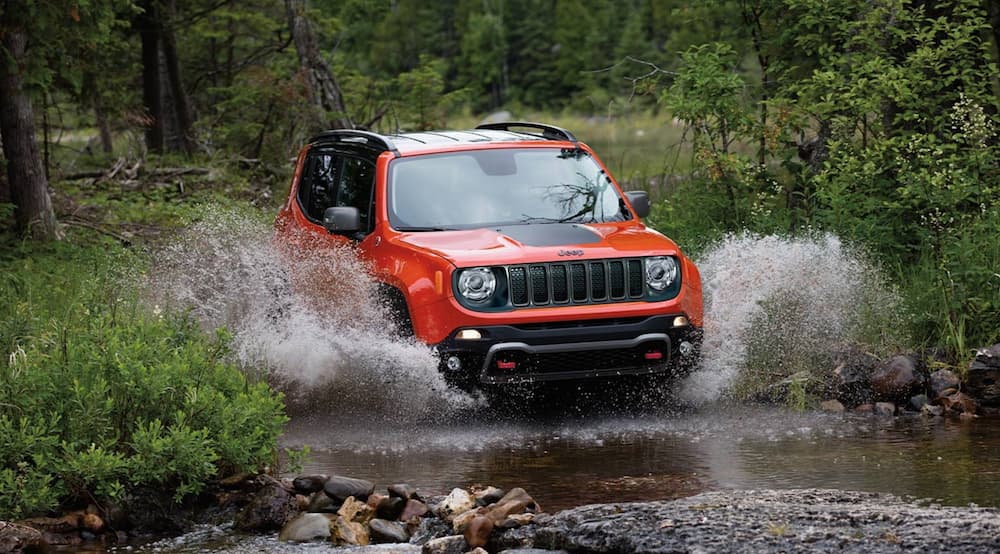
A red 2020 Jeep Renegade splashing through water while off-roading.

Bringing Your Jeep Dreams to Life: The Best Customization Accessories

Are you ready to take your Jeep to the next level? Jeep is renowned for offering one of the most customizable lineups in the industry, from icons like the Wrangler and Cherokee to popular models like the Renegade. Every Jeep can be your partner in adventure, especially with the help of our factory-trained and certified Jeep mechanic s. Our state-of-the-art dealership in Swedesboro means our certified Jeep mechanics are always on hand to oversee your Jeep needs, from routine maintenance to more complex repairs. But more importantly, they’re excited to use their expertise to help bring your Jeep dreams to life. We specialize in Jeep modifications, helping you find the perfect Mopar accessories and upgrades for your Jeep and installing them from the convenience of our service center. So, what type of accessories and modifications can you expect to find in the Mopar catalog? (The importance of using genuine Mopar parts cannot be overstressed.) Here’s a list of some of the most popular upgrades that can take your Jeep to the next level: #1 Snorkel Jeep owners are often adventurous, turning to their Jeeps to help answer the call of the wild. Usually, answering that call means navigating water crossings that are sometimes deeper than expected. Adding a Jeep Performance Parts Snorkel gives you the confidence and capability to tackle those crossings by protecting the engine from water, dirt, and other debris. As you travel through water or other debris-filled environments, a snorkel directs cool air into the engine and protects the air inlets. Aside from this practical purpose, the snorkel also gives your Wrangler or Gladiator a distinct look that tells the world that it’s ready for any type of adventure in, around, and beyond Swedesboro. #2 Doors Jeep is renowned for offering an immersive open-air driving experience in models like the Wrangler and Gladiator. With a removable roof and doors, that experience is available anytime you want. Fortunately, Jeep makes this open-air experience even safer with door upgrades, like the Jeep Performance Parts Tube Door Kits. The tube door kits are powder-coated, two-inch steel tube doors that give your Jeep a rugged look and heighten your safety without compromising the open-air driving experience around Swedesboro. Additionally, since the tube doors fit your Jeep’s stock hinges, you can rest easy knowing the doors offer a factory fit that optimizes their high-strength design and functionality. #3 Wheels The easiest way to customize your Jeep is with a new set of wheels, which you’ll find plenty of in the Mopar catalog. Jeep wheels run the entire spectrum of luxury performance options to overland wheels that cater to your adventure needs. For example, Mopar offers Black Rhino wheels that can transform your Jeep’s aesthetic with unique options like the Arsenal in Sand on Black for a Mojave-like style or a set of Chase wheels in Matte Black. There are even Candy Red options that offer head-turning style to complement your already stunning and wildly capable Jeep powerhouse. #4 Lift Kits Jeep models like the Wrangler and Gladiator are known for their capability, with Trail Rated models proving their off-road prowess with higher ground clearances and exceptional maneuverability. However, many Jeep owners customize their rigs with lift kits that alter the suspension and create a rig capable of tackling more technical terrain. Jeep’s Performance Parts lift kits are top-rated because they’re designed for your specific Jeep, maintaining its integrity and optimizing its performance, and are backed by the manufacturer. For example, you can upgrade your Wrangler with a two-inch lift kit with Bilstein shocks, adding to the Wrangler’s already impressive ground clearance and four-wheel drive capability. #5 Bumpers Every model, from the Renegade and Wrangler to the Cherokee, Grand Cherokee, and Gladiator, is designed with a rugged aesthetic that reflects its adventurous spirit. However, Jeep owners can increase their capability and change the style of their rigs with a straightforward bumper upgrade. The Mopar catalog includes a wide variety of front and rear bumper options that can subtly or dramatically change the aesthetic of your vehicle. At the same time, you can upgrade your Jeep with a higher-strength front bumper with integrated tie-downs and winch provisions that ensure you have everything you need when venturing off the pavement. #6 Door Mirrors Depending on the year model of your Jeep, you may find that removing the doors to enjoy the open-air freedom also means dramatically limiting your visibility as you navigate your life in Campbell County. Models like the Jeep Wrangler have door-mounted mirrors, meaning the door and mirror are a package deal. Turning to the Mopar catalog, our certified Jeep mechanics can quickly solve this issue with exterior door mirrors you can mount to your Jeep’s frame. As Mopar components, these mirrors are designed for your specific Jeep and heighten your visibility without compromising your SUV’s style or the open-air experience you value. #7 Interior Accessories One of the most affordable ways to customize your Jeep is to turn to the interior to make a few modest upgrades. Jeep’s catalog of interior accessories is expansive, from air purification systems that heighten the air quality even in dusty conditions to simple items like floor mats, cargo mats, and storage options. A set of durable floor mats can help protect your Jeep’s interior from the elements as you venture beyond the pavement, while functional storage components can increase your Jeep’s cargo capacity and keep everything you need out of sight and safely in place. #8 Cargo and Gear Accessories Cargo and gear accessories are also widely popular among Jeep owners. As adventurers, Jeep owners tend to carry a lot of gear—from kayaks and canoes to tents, backpacking gear, and other equipment. Fortunately, everything you need to stow these items and even tow a trailer is at your fingertips in the Mopar catalog. You’ll find standard items like trailer hitches and towing balls that ensure your Jeep is ready and capable of towing a small camper, boat, or trailer. The Jeep Performance Parts catalog also includes a host of gear-oriented accessories. For example, an assortment of rooftop racks, bags, and carriers give you another option to hold your gear. You’ll also find kayak racks for the roof and bicycle mounts in various configurations, from hitch-mounted options perfect for the Wrangler, Cherokee, and Grand Cherokee to bed-mounted setups ideal for the Gladiator. As with other Mopar components, these parts are designed for your Jeep and guarantee optimal performance and compatibility, whether you’re hauling a canoe and camping gear or bikes for the entire family. Why Mopar? Upgrading and customizing your Jeep is exciting because there are so many options. However, not all Jeep upgrades are the same. When you trust our team to handle your Jeep service and customization needs, you are guaranteed the high-caliber experience you deserve. We value your trust in us and show as much by relying on genuine OEM Jeep components. Mopar is renowned for its high-quality parts, with every accessory and component built from high-quality materials and designed precisely for your Jeep. Instead of a one-size-fits-all approach that compromises quality, Mopar and Jeep Performance Parts reflect the high-quality standards of the Jeep brand and ensure it maintains its integrity down to the smallest pieces. This approach gives you the peace of mind that your Jeep is upgraded with only the best components available, instilling confidence as you push your Jeep to its limits.

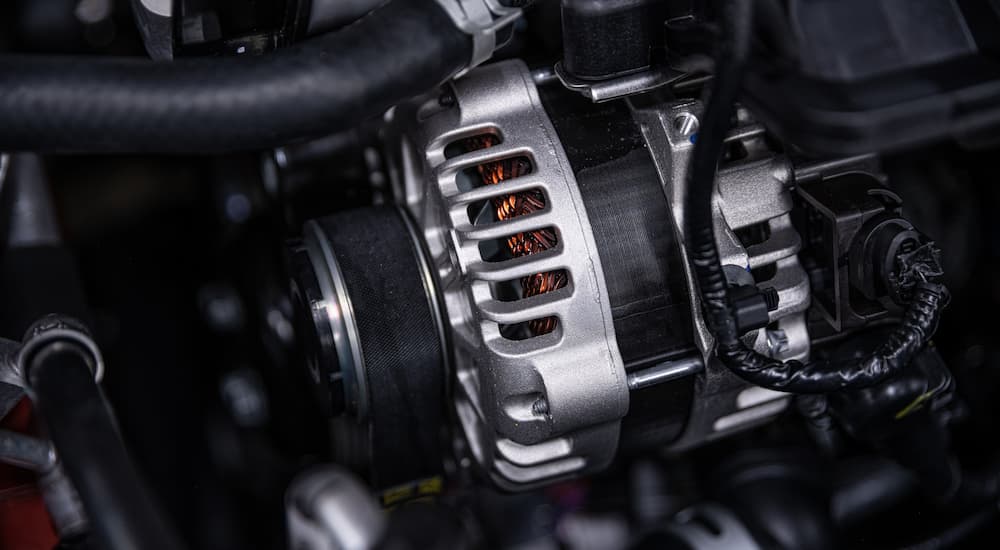
A close up of an alternator is shown getting car repair near you.

Is Your Car’s Alternator Dying? Let’s Find Out

It’s Thursday morning, and the weekend is so close you can practically taste it, but getting going when the sun’s barely up has become more difficult as the week drags on. So you’re running late, scrambling to make sure you have your phone, wallet, purse, keys, and whatever else you need to get out the door. You get into your car with no time to let it warm up, but you’ll worry about that later; you turn the key or push the button, and… nothing happens. You try again—still nothing. Your car won’t start, and now, officially, you’re having a bad day. At this point, it can be tempting to go back to bed or mumble, “ car repair near me,” at your phone in defeat, but instead, we suggest this: get active. This is the moment to push ahead and keep going forward, solving your problems and refusing to let the day get on top of you. To start, let’s see if we can figure out what has gone wrong with your vehicle because there are a few different things that are typical culprits when your car won’t start like that. One of the most common issues is a bad or failing alternator, so let’s learn about alternators and some ways to tell if yours is going bad or about to fail—that way, you can avoid a morning like the one we just described and keep it purely hypothetical. What Is an Alternator and How Does It Work? In order to tell if you have an issue with your vehicle’s alternator, it helps to understand exactly what it is and how it does its thing. Many people assume that the electrical systems in their vehicle—automatic windows, door locks, air conditioning, sound system, heated seats, etc—are all powered by the battery in their car. That’s what batteries do, but that’s not the case. Your car’s battery can deliver an impressive amount of power, but it’s designed to work briefly and then stop. What your battery does is pretty simple: it provides power to your vehicle’s starter, ignition coils, spark plugs, and other parts that get your engine started. Once your engine starts, your battery’s work is essentially done. From there on, the alternator does its thing and provides power to your vehicle. The alternator, by the way, looks like a small cylindrical generator and is typically attached to your engine or very close to it. As your engine runs, it sends power to your axles/wheels so you can move, but it also sends power to the alternator. It does this through a serpentine belt or drive belt, which connects a pulley on the engine’s crankshaft to a pulley on the alternator, transferring mechanical energy from the engine to the alternator. This turns a rotor shaft in the alternator, which spins magnets to create an electromagnetic generator, generating electricity in the form of alternating current (AC). A rectifier in the alternator then turns that into direct current (DC), which is used to charge your car’s battery and provide power to all of your vehicle’s electrical systems. In theory, all things being equal, the alternator should last throughout the lifespan of your vehicle because it’s designed to do a lot of work for a long time. As we all know, however, things aren’t equal when it comes to our vehicles, and it’s entirely possible for issues to arise with alternators. This can happen for a wide range of reasons, from overuse or overheating to damage from an external source or even exposure to too much water. So, how can you tell when a problem with your vehicle is due to the alternator? Well… Common Signs Your Alternator Is Failing For starters, a failing or faulty alternator will often manifest in a way tied to your car’s electrical system. Since it’s responsible for the electrical system functioning properly, issues typically come through that way. Still, figuring out where a problem lies can be tricky, so let’s look at some common things to watch for. A Warning Light on Your Dashboard The easiest way to tell you have a problem is when your vehicle tells you. You might have an “Alt” or “Gen” light on your dashboard, but many vehicles will illuminate the battery light even for an alternator problem. Diagnosing the specific issue from here can be tricky, but it’s a great place to start and narrows down your options. Dim or Flickering Lights One of the clearest signs of an alternator issue is if you notice your lights are dimmer than they should be or flicker between full and reduced brightness. This typically means your alternator isn’t delivering power properly—though it could be another issue with wiring or your electrical system. Similarly, if your lights are brighter than usual, this can mean your alternator's voltage regulator is failing. Malfunctioning or Slow Accessories/Features Since all of your accessories and car’s features are tied to the electrical system and rely on the alternator, issues with them can be a clear warning sign. If just one window is slow to go up and down, then it could simply be the motor on that window. However, if all of your windows are slow or your speakers aren’t working clearly, then they might not be getting enough power. A Dead Battery This is a tricky one because a dead battery typically makes us assume the problem is, spoiler alert, the battery. But that’s not always the case. If your alternator isn’t working properly, it won’t recharge your battery as it’s supposed to, and your battery could be working overtime to power your vehicle. Have your battery tested, or use a voltmeter to check your battery and find out if it’s the issue or if your alternator isn’t pulling its weight. Difficulty Starting Your Vehicle This warning sign ties into the previous one: if your vehicle isn’t starting easily, then it could be an issue with the battery—which might be caused by the alternator. Clicking sounds or slow cranking when you try to start your car often indicates a faulty battery, but the alternator could cause this. If your vehicle is stalling frequently in addition to having problems starting, then that likely means your alternator isn’t working properly, which is the bigger problem. Strange Noises—Growling or Whining Strange sounds are always a good warning sign to look for when it comes to a variety of car problems, and your alternator is no exception. If you hear whining or growling from your engine, this is often an indicator of an alternator in trouble. It usually means a belt isn’t set properly or the rotor shaft isn’t aligned correctly anymore—this could be a fairly simple fix, or you might need an all-new alternator. Strange Smells—Burning Rubber or Hot Wires There are a lot of potential smells to be mindful of when driving, which can indicate different issues with your vehicle. The smell of burning rubber often means you have a problem with the alternator, as does the scent of hot or burning wires. If you have ever been near an electrical fire, you probably know what this smells like. It’s an indicator that your alternator is overheating and starting to destroy itself; get it fixed or replaced immediately to prevent bigger issues or serious damage to your vehicle. What to Do Once You Find the Problem As you can see, there are quite a few warning signs when it comes to your car’s alternator that you should be aware of. Knowing to look for these things and what they mean can be the difference between noticing an issue before it becomes a major headache and finding yourself stuck in a very bad day. Always be mindful of strange sounds or smells coming from your vehicle—particularly the engine—and watch for things like dimming lights or slow electrical systems that can warn you about an issue before things stop working. Some alternator work is easy to do yourself if you have some experience, like replacing the serpentine belt, but other repairs are more complicated. Here at Spirit Chrysler Dodge Jeep Ram, our certified service center is always happy to help with anything you need and get you back on the road.